
The first of a series of audio-reactive experiments I’m working on. Beat created in Ableton, audio-reactive visuals created in TouchDesigner. More to come, watch this space!
I’ve been experimenting a little with 3D recently – using one of my own typefaces FF Privé as the starting point. It’s interesting to see how it changes the feel of each glyph when you add depth, texture and motion to them.
Looking forward to sharing more of these soon – watch this space.
Experiments in sound and animation, coming soon…
Hypnotic animations by kinetic type foundry Dia to promote the launch of Klim foundries latest typeface collection Söhne.
You can view all four families on Klim’s site here:
klim.co.nz/soehne/
and read an in depth interview with Klim Foundry on It’s Nice That here:
itsnicethat.com/klim-dia-sohne
A great new tool from Swiss Type Design agency Dinamo, designed to “test drive the truth of variable fonts”. The perfect way to find any flaws in existing or WIP variable font projects.
They describe it as:
“First practiced in Ancient Greece, the military punishment known as “running the gauntlet” forced the convicted to pass between a double row of comrades who strike out and attack them. Not always easy.
Fast forward to a digital 2018, and type designers can make their fonts run through our Gauntlet to quickly uncover their weaknesses. It provides a selection of features for testing and analysing typefaces during the design process and was specifically built with variable fonts in mind, allowing for an animated preview of all their axes combined.”
I haven’t had a chance to test it out on any of my projects, but its fun to play with all the same, and definitely one to bookmark for proper use later.
You can check it out at dinamodarkroom.com/
Screens of the Future is Universal Everything’s ongoing series of visionary prototypes, based on the emerging technologies of flexible displays, shape-shifting materials and context-aware functionality.
These moving image artworks highlight humanity’s increasingly integrated relationship with technology, serving as product demos of our near future.
You can see more of their project here
Following last Autumn’s collaboration with M/M (Paris) to reinterpret its iconic crocodile logo (an homage to founder René Lacoste, who was dubbed “The Crocodile” because of his tenacity on the tennis court), for the first time in the fashion brand’s history, Lacoste has replaced the famous crocodile with ten endangered species. All of which face imminent threat of extinction.
Working closely with BTEC Paris and the International Union for Conservation of Nature (IUCN) to design the limited edition logos, which are embroidered in the same style as the renowned crocodile, the French fashion brand has correlated the number of available shirts with the number of animals that remain in the wild. Ranging from 30 Vaquita porpoises to 450 Anegada Rock Iguanas. Creating a total of 1,775 shirts, of which the profits will be donated to the species’ conservation.
Unfortunately they all sold out pretty much immediately, but if you’d like to take a look in more detail and read up on the cause you can find it on their site here:
lacoste.com/saveourspecies
And you can support the cause with donations here:
saveourspecies.org
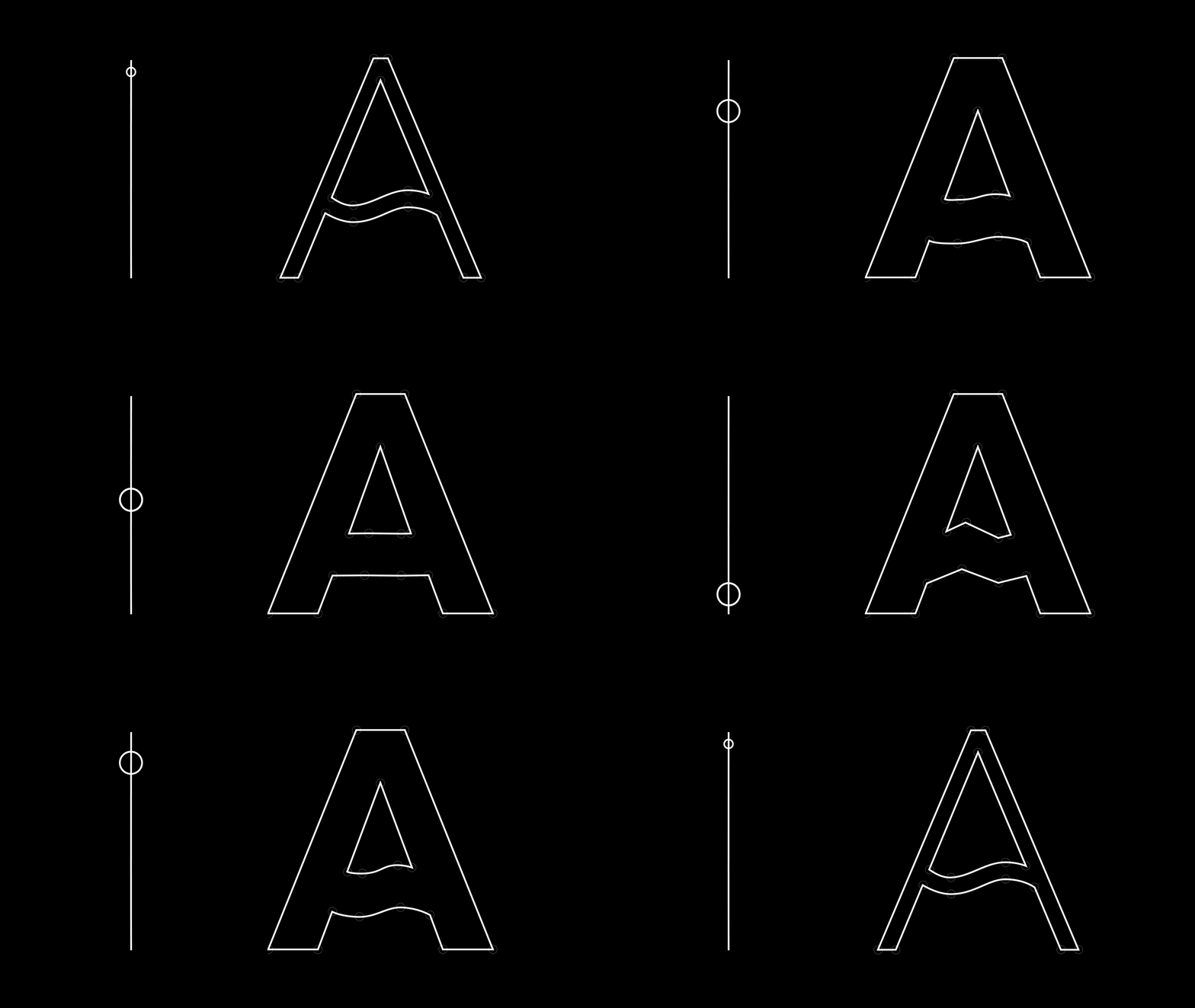
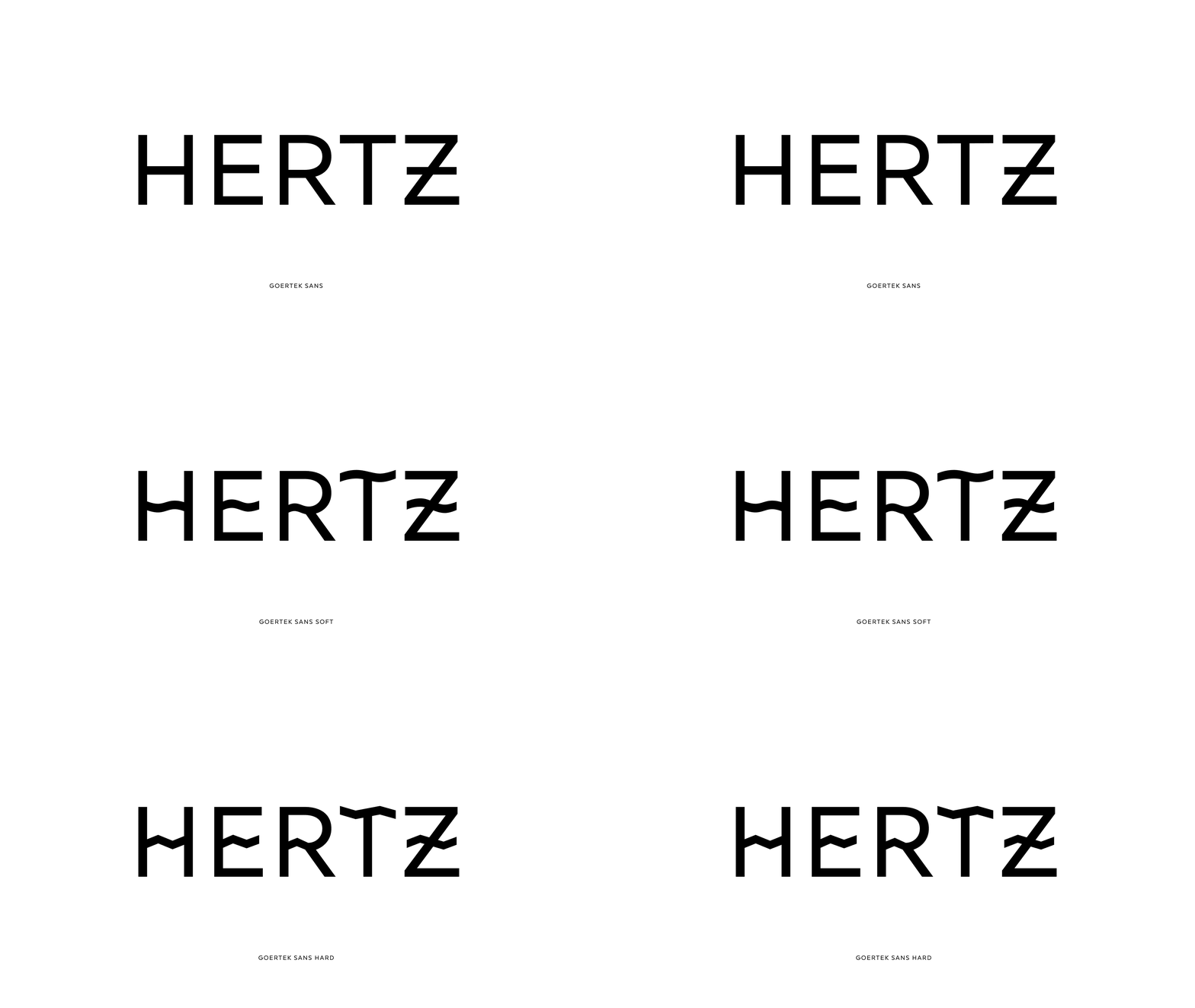
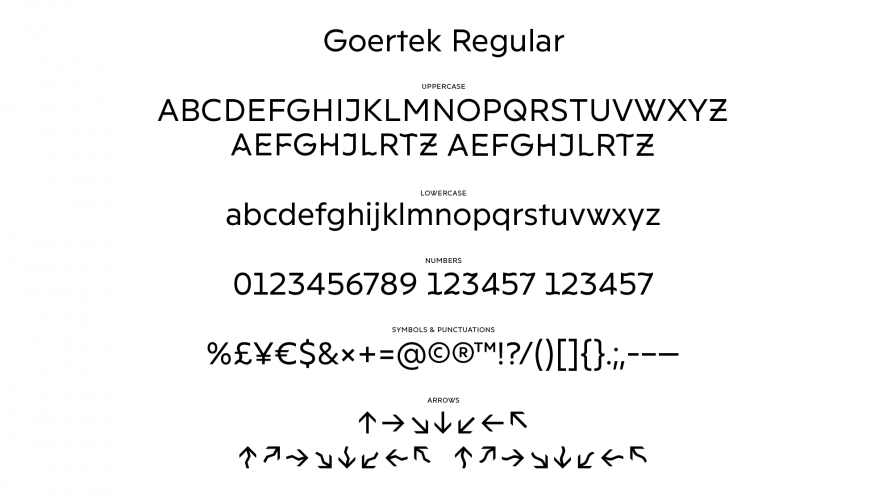
An interesting, if not traditionally aesthetic, approach to type and signage from Kontrapunkt and Nippon Design Center. The Sonic Typeface, designed for Goertek’s R&D Centre in Qinbao, China, varies it’s appearance using Opentype technologies in response to different sound wave frequencies. Meaning that throughout the R&D hub, the typeface and signage will display itself differently depending on the surrounding environment.
I’m not 100% on whether I like the result or not, but I definitely like the concept.
Experiment #2 from my new series of explorations into light and sound. This time looking at the satisfying sound of analogue camera mechanisms from 1920’s–1970’s.
There’s something quite beautiful about getting real mechanical feedback when using a camera, something I miss a little bit more every time I take a picture these days. Ironically though, I shot the footage on my phone…
All of the snippets can be seen on my Instagram here: instagram.com/tomwalshdesign
An edited down version of a 2004 personal project into light and memory that I’m thinking of revisiting. Watch this space…
